Book Exclusive Cumberland Island Vacation Packages

Cumberland Island flight + hotel packages
Price found within the past 48 hours. Click for updated prices.

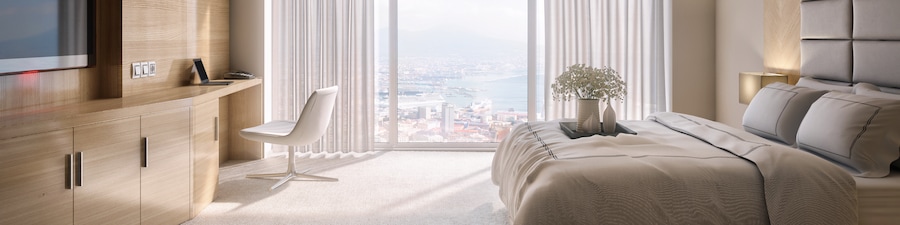
Tricove Inn & Suites
Southside
Price was CA $1,485, price is now CA $1,325 per person
CA $1,325
per person
Nov 27 - Nov 30
found 1 day ago
Roundtrip flight included
Halifax (YHZ) to Jacksonville (JAX)
Book a stay at this business-friendly motel in Jacksonville. Enjoy free WiFi, free parking, and a fitness center. Our guests praise the helpful staff and the clean rooms in our reviews. Popular attractions St. Johns Town Center and EverBank Stadium are located nearby.

Hyatt Regency Jacksonville
Downtown Jacksonville
Price was CA $1,673, price is now CA $1,528 per person
CA $1,528
per person
Nov 27 - Nov 30
found 1 day ago
Roundtrip flight included
Halifax (YHZ) to Jacksonville (JAX)
Book a stay at this business-friendly hotel in Jacksonville. Enjoy free WiFi, 3 restaurants, and breakfast (surcharge). Our guests praise the helpful staff and the clean rooms in our reviews. Popular attractions VyStar Veterans Memorial Arena and EverBank Stadium are located nearby.

Hilton Jacksonville at Mayo Clinic near Beaches
Price was CA $1,691, price is now CA $1,547 per person
CA $1,547
per person
Nov 27 - Nov 30
found 1 day ago
Roundtrip flight included
Halifax (YHZ) to Jacksonville (JAX)
Book a stay at this luxury hotel in Jacksonville. Enjoy free WiFi, breakfast (surcharge), and a free area shuttle. Popular attractions St. Johns Town Center and TPC Sawgrass are located nearby.
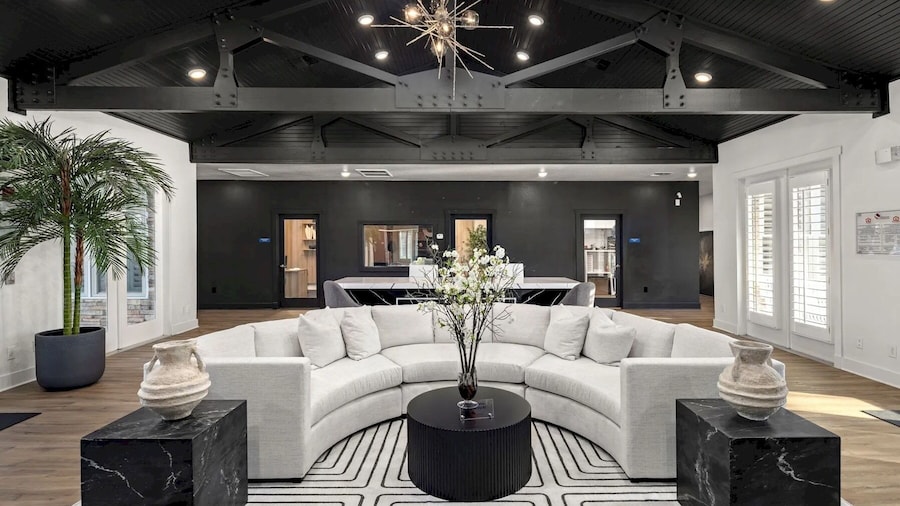
Landing Apartments Jacksonville - Southside
Southside
Price was CA $1,683, price is now CA $1,544 per person
CA $1,544
per person
Nov 27 - Nov 30
found 1 day ago
Roundtrip flight included
Halifax (YHZ) to Jacksonville (JAX)
Book a stay at this business-friendly apartment in Jacksonville. Enjoy free parking, a fitness center, and a fireplace in the lobby. Popular attractions St. Johns Town Center and Hands on Children's Museum are located nearby.

Embassy Suites by Hilton Jacksonville Baymeadows
Price was CA $1,542, price is now CA $1,430 per person
CA $1,430
per person
Nov 27 - Nov 30
found 1 day ago
Roundtrip flight included
Halifax (YHZ) to Jacksonville (JAX)
Book a stay at this business-friendly hotel in Jacksonville. Enjoy free breakfast, free WiFi, and room service. Our guests praise the breakfast and the helpful staff in our reviews. Popular attractions St. Johns Town Center and Dog Wood Park of Jacksonville are located nearby.
Top Cumberland Island hotels deals

Amelia Hotel at the Beach
1997 S Fletcher Ave Fernandina Beach FL
Free cancellation
Reserve now, pay when you stay
The price is CA $151 per night
CA $151
CA $175 total
Nov 3 - Nov 4
includes taxes & fees
Book a stay at this business-friendly hotel in Fernandina Beach. Enjoy free breakfast, free WiFi, and parking (surcharge). Our guests praise the breakfast and the restaurant in our reviews. Popular attractions Omni Amelia Island Resort Golf and Seaside Park are located nearby.
Pool
Breakfast included
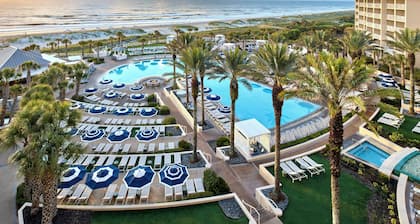
The Villas of Amelia Island
8 Amelia Village Circle, Amelia Island Fernandina Beach FL
Free cancellation
Reserve now, pay when you stay
The price is CA $225 per night
CA $225
CA $331 total
Nov 14 - Nov 15
includes taxes & fees
Book a stay at this beach vacation home in Fernandina Beach. Enjoy free WiFi, 2 outdoor pools, and a full-service spa. Our guests praise the helpful staff in our reviews. Popular attractions Omni Amelia Island Resort Golf and Amelia Island State Park are located nearby.
Pool
Hot tub
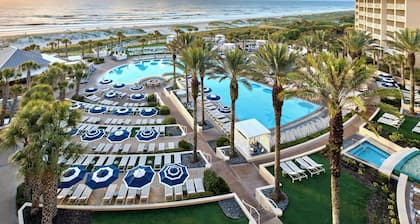
Omni Amelia Island Resort & Spa
39 Beach Lagoon Road Fernandina Beach FL
Free cancellation
Reserve now, pay when you stay
The price is CA $439 per night
CA $439
CA $571 total
Nov 8 - Nov 9
includes taxes & fees
Book a stay at this spa resort in Fernandina Beach. Enjoy free WiFi, 2 outdoor pools, and a full-service spa. Our guests praise the helpful staff in our reviews. Popular attractions Omni Amelia Island Resort Golf and Amelia Island Nature Center are located nearby.
Pool
Hot tub

SpringHill Suites by Marriott Amelia Island
2700 Atlantic Ave Fernandina Beach FL
Free cancellation
Reserve now, pay when you stay
The price is CA $181 per night
CA $181
CA $202 total
Nov 3 - Nov 4
includes taxes & fees
Book a stay at this business-friendly hotel in Fernandina Beach. Enjoy free breakfast, free WiFi, and 2 restaurants. Our guests praise the pool and the helpful staff in our reviews. Popular attractions Fernandina Beach Main Beach Park and Amelia Island Lighthouse are located nearby.
Pool
Breakfast included

Days Inn & Suites by Wyndham Jekyll Island
60 S Beachview Drive Jekyll Island GA
Free cancellation
Reserve now, pay when you stay
The price is CA $146 per night
CA $146
CA $173 total
Nov 1 - Nov 2
includes taxes & fees
Book a stay at this business-friendly hotel in Jekyll Island. Enjoy free breakfast, free WiFi, and free parking. Our guests praise the breakfast and the helpful staff in our reviews. Popular attractions Driftwood Beach and Americana Beach are located nearby.
Pool
Hot tub
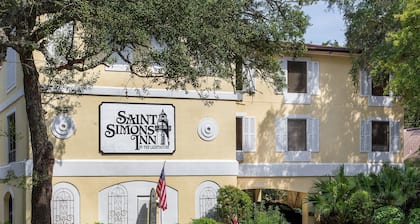
Saint Simons Inn by the Lighthouse
609 Beachview Drive St. Simons Island GA
Free cancellation
Reserve now, pay when you stay
The price is CA $182 per night
CA $182
CA $231 total
Oct 21 - Oct 22
includes taxes & fees
Stay at this hotel in St. Simons Island. Enjoy free breakfast, free WiFi, and free parking. Our guests praise the breakfast and the helpful staff in our reviews. Popular attractions Driftwood Beach and St. Simons Lighthouse Museum are located nearby.
Pool
Breakfast included
Don't see what you're looking for?
See all available properties in Cumberland Island
View all propertiesLowest nightly price found within the past 24 hours based on a 1 night stay for 2 adults. Prices and availability subject to change. Additional terms may apply.
Stay near popular Cumberland Island attractions
Frequently asked questions
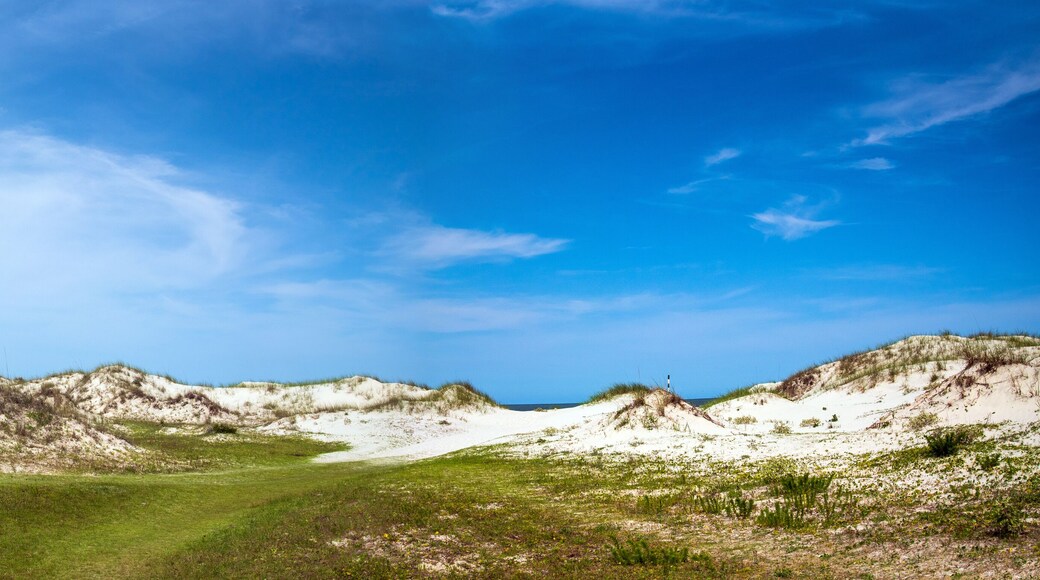
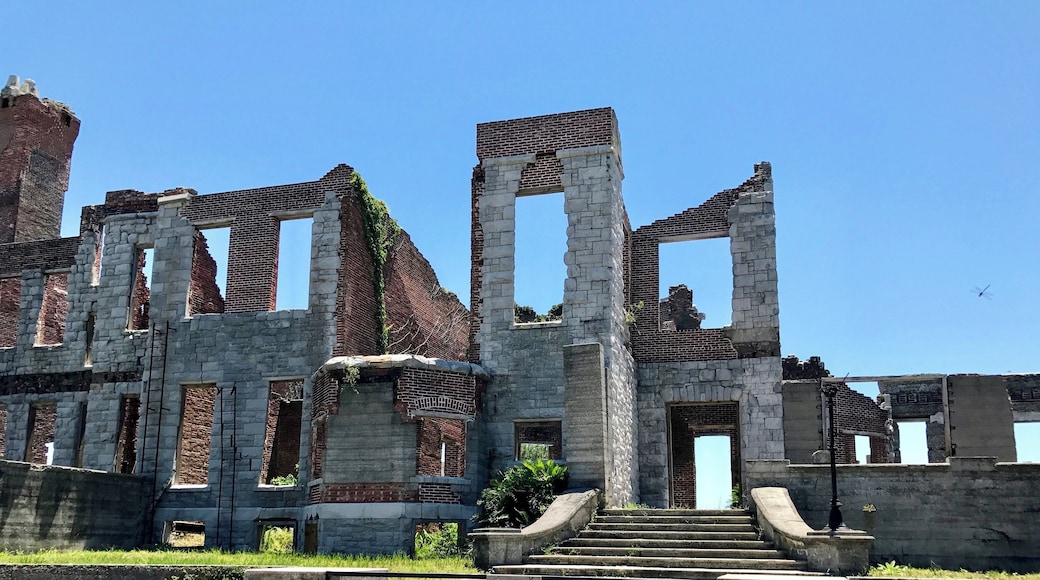
Photos of local treasures
Browse Cumberland Island vacation photos for more inspiration


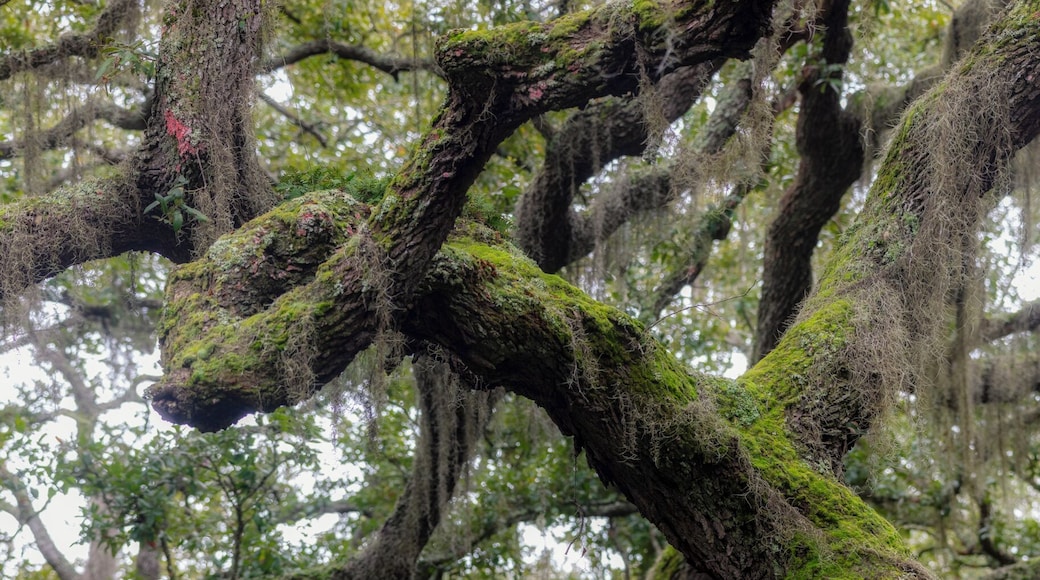
Book a vacation to Cumberland Island
Explore More Ways to Travel with Travelocity
- 4 Star Hotels in St. Simons Island
- 5 Star Hotels in St. Simons Island
- Brunswick Hotels
- Cumberland Island Hotels
- Hotels near Cumberland Island National Seashore
- Vacation Homes in Cumberland Island
- Demere Park Hotels
- Condos in Jekyll Island
- Cottages in Jekyll Island
- Beach Resorts & in Jekyll Island
- Romantic Getaways & Hotels in Jekyll Island
- Spa Resorts & in Jekyll Island
- Jekyll Island Hotels
- Vacation Homes in Jekyll Island
- Villas in Jekyll Island
- Pet Friendly Hotels in Kingsland
- Hotels near McKinnon St. Simons Island
- Cottages in Sea Island
- Spa Resorts & in Sea Island
- Shellman Bluff Hotels
- Vacation Homes in Shellman Bluff
- Cottages in St. Marys
- Spa Resorts & in St. Marys
- Condos in St. Simons Island
- Cottages in St. Simons Island
- Beach Resorts & in St. Simons Island
- Gay Friendly Hotels in St. Simons Island
- Luxury Hotels in St. Simons Island
- St. Simons Island Hotels
- Vacation Homes in St. Simons Island
- Condos in Waverly
- Cottages in Waverly
- Woodbine Hotels
- Motels in Woodbine