Book Exclusive Fier Vacation Packages

Top Fier hotels deals
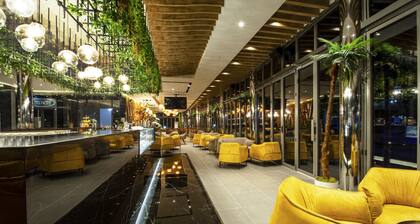
Hotel Fieri
Rruga. Jakove Xoxa Fier Fieri County
Free cancellation
Reserve now, pay when you stay
The price is CA $122 per night
CA $122
CA $139 total
Sep 28 - Sep 29
includes taxes & fees
Book a stay at this business-friendly hotel in Fier. Enjoy free breakfast, free WiFi, and free parking. Popular attraction Apollonia Archeological Park is located nearby.
Breakfast included
Parking included
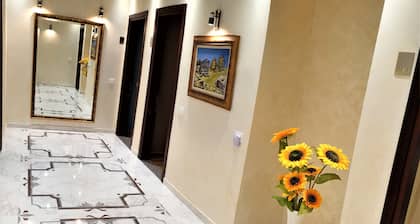
Comfort Hotel
Lagjja 1 Maj, Rruga Jani Bakalli Fier
The price is CA $89 per night
CA $89
CA $103 total
Sep 28 - Sep 29
includes taxes & fees
Stay at this hotel in Fier. Enjoy free WiFi, free parking, and breakfast (surcharge). Popular attraction Apollonia Archeological Park is located nearby.

Riverside rooms at Hotel Fieri
Rruga Jakov Xoxa Fier Qarku i Fierit
Free cancellation
Reserve now, pay when you stay
The price is CA $93 per night
CA $93
CA $108 total
Sep 30 - Oct 1
includes taxes & fees
Book a stay at this business-friendly hotel in Fier. Enjoy free breakfast, free WiFi, and free parking. Popular attraction Apollonia Archeological Park is located nearby.
Breakfast included
Parking included

Chicago Hotel Fier
Rruga Andon Profka Fier Qarku i Fierit
Free cancellation
Reserve now, pay when you stay
The price is CA $37 per night
CA $37
CA $48 total
Oct 28 - Oct 29
includes taxes & fees
Book a stay at this business-friendly hotel in Fier. Enjoy free WiFi, free parking, and room service. Popular attraction Apollonia Archeological Park is located nearby.
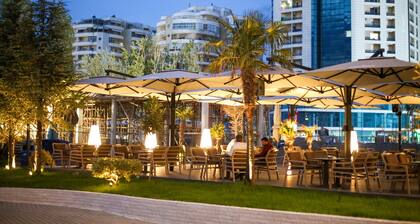
Hotel Regina Garden Vlore
Sheshi Pavaresia Vlorë Vlore
Free cancellation
Reserve now, pay when you stay
The price is CA $85 per night
CA $85
CA $99 total
Oct 15 - Oct 16
includes taxes & fees
Stay at this hotel in Vlorë. Enjoy free breakfast, free WiFi, and free parking. Popular attractions National Museum of Independence and Old Beach are located nearby.
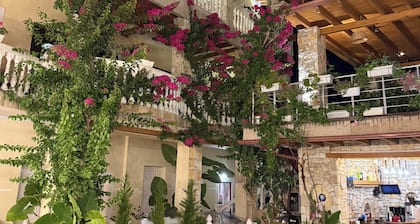
Vila Arial
Rruga Aleks Çaçi Vlorë Qarku i Vlorës
The price is CA $43 per night
CA $43
CA $54 total
Oct 20 - Oct 21
includes taxes & fees
Book a stay at this business-friendly guesthouse in Vlorë. Enjoy free WiFi, free parking, and an attached winery. Popular attractions Old Beach and National Museum of Independence are located nearby.
Lowest nightly price found within the past 24 hours based on a 1 night stay for 2 adults. Prices and availability subject to change. Additional terms may apply.
Fier Vacations
Whether you're setting out on a short break or an extensive journey, it's wise to know a few things about Fier before setting off.
It's located 16 miles (26 kilometers) from Lushnje and 19 miles (31 kilometers) away from Vlore.
Forget about the big-name attractions — it's the locals that really make a place tick. In this part of Albania, you'll find 56,000 of them.
Hotels in Fier
Even if you're a well-versed traveler, you will have to act fast to book a property around Fier. It doesn't have many accommodation options, but Vlore is only 19 miles (31 kilometers) away and is home to the Hotel New York. It's the only listed option on offer, so we recommend booking as early as possible.Places to visit in Fier
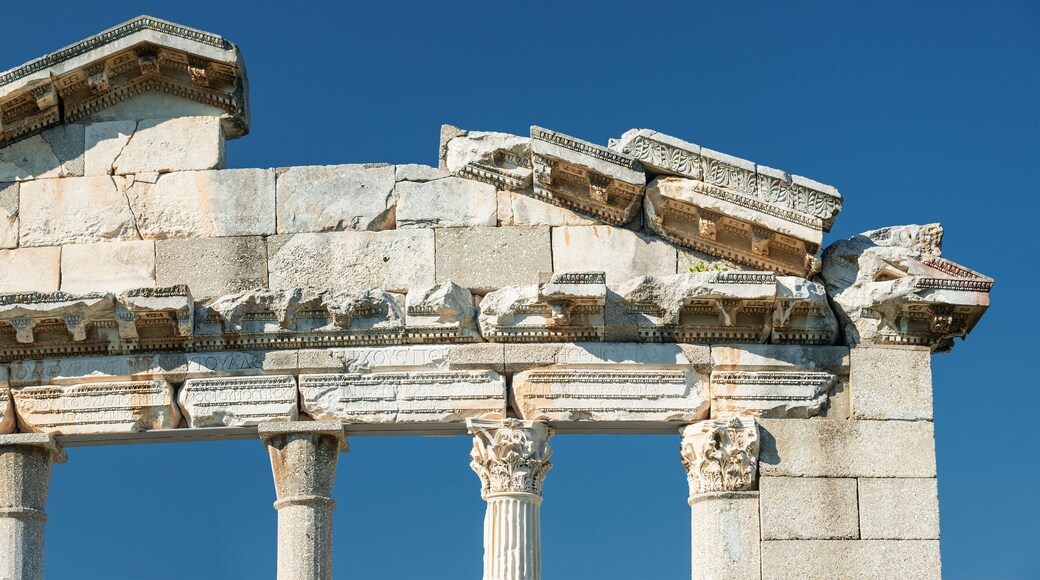
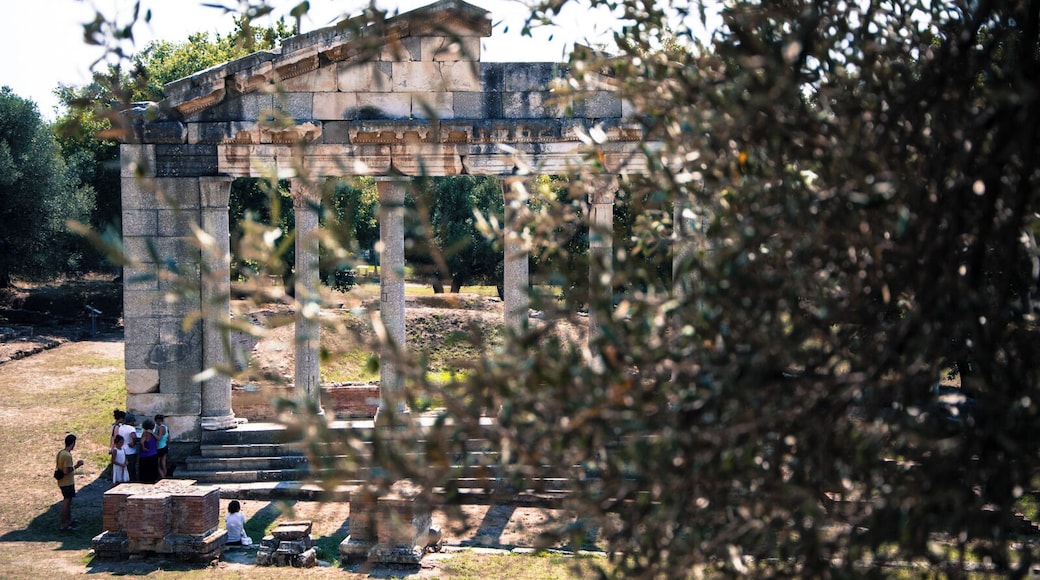
Want to learn the facts and stories of human history? Gain an exciting insight into societies of yesteryear at Apollonia Archeological Park. Still need more ideas? The allure of ancient history is powerful at Apollonia. Book in now and witness the results of skilled archaeological digs.Where do you fly into for Fier?
Get set for some new experiences! The heart of Fier is approximately 50 miles (80 kilometers) south of Rinas International Airport (TIA).Frequently asked questions
Photos of local treasures
Browse Fier vacation photos for more inspiration