Book Exclusive Broughton in Furness Vacation Packages

Broughton in Furness flight + hotel packages
Price found within the past 48 hours. Click for updated prices.

Novotel Manchester West
Price was CA $1,472, price is now CA $1,246 per person
CA $1,246
per person
Nov 3 - Nov 8
found 1 day ago
Roundtrip non-stop flight included
Toronto (YYZ) to Manchester (MAN)
Stay at this hotel in Manchester. Enjoy breakfast (surcharge), a fitness center, and a 24-hour front desk. Our guests praise the helpful staff and the clean rooms in our reviews. Popular attractions Old Trafford and Trafford Centre are located nearby.

Treehouse Hotel Manchester
Manchester City Centre
Price was CA $2,569, price is now CA $1,909 per person
CA $1,909
per person
Nov 3 - Nov 8
found 1 day ago
Roundtrip non-stop flight included
Toronto (YYZ) to Manchester (MAN)
Book a stay at this business-friendly hotel in Manchester. Enjoy free WiFi, breakfast (surcharge), and room service. Popular attractions Old Trafford and Deansgate are located nearby.
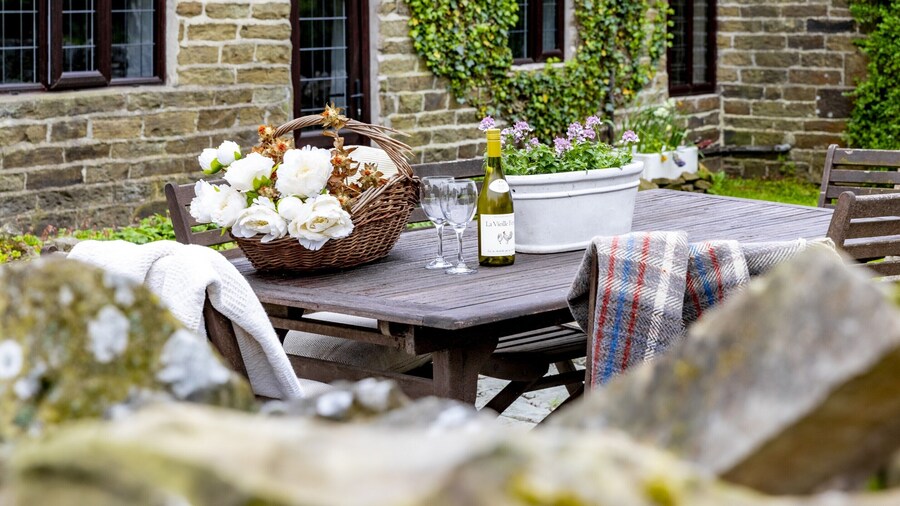
1 Bedroom Cottage in Bury, No Deposit
Price was CA $2,147, price is now CA $1,663 per person
CA $1,663
per person
Oct 4 - Oct 8
found 1 day ago
Roundtrip flight included
Toronto (YTO) to Manchester (MAN)
Stay at this cottage in Bury. Enjoy free parking and a garden. Popular attractions Turton Tower and Jumbles Country Park are located nearby.
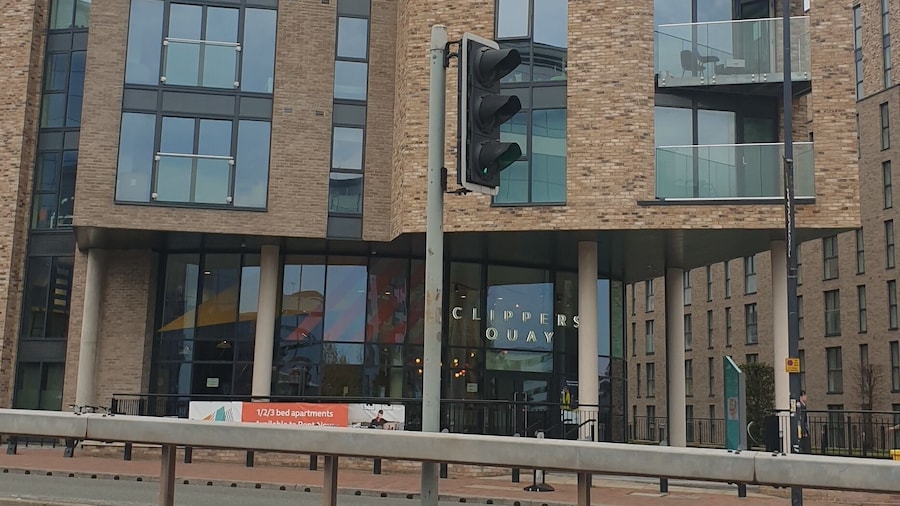
Quay Apartments Exchange Quay
Price was CA $1,885, price is now CA $1,598 per person
CA $1,598
per person
Nov 9 - Nov 14
found 1 day ago
Roundtrip non-stop flight included
Toronto (YTO) to Manchester (MAN)
Stay at this apartment in Salford. Enjoy free WiFi, parking (surcharge), and a 24-hour front desk. Popular attractions Old Trafford and Salford Quays are located nearby.

Charles Hope Manchester Centre
NOMA
Price was CA $1,637, price is now CA $1,427 per person
CA $1,427
per person
Nov 20 - Nov 23
found 20 hours ago
Roundtrip non-stop flight included
Toronto (YYZ) to Manchester (MAN)
Stay at this apartment in Manchester. Enjoy free WiFi, a fitness center, and a 24-hour front desk. Popular attractions Old Trafford and AO Arena are located nearby.
Top Broughton in Furness hotels deals

Macdonald Old England Hotel & Spa
23 Church Street Windermere England
Free cancellation
Reserve now, pay when you stay
The price is CA $236 per night
CA $236
CA $283 total
Oct 1 - Oct 2
includes taxes & fees
Book a stay at this spa hotel in Windermere. Enjoy free WiFi, a full-service spa, and breakfast (surcharge). Our guests praise the pool and the helpful staff in our reviews. Popular attractions Lake Windermere and Old Laundry Theatre are located nearby.
Pool
Spa
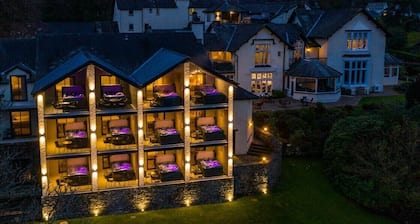
Lakes Hotel and Spa
Kendal Road Windermere England
The price is CA $275 per night
CA $275
CA $329 total
Sep 23 - Sep 24
includes taxes & fees
Book a stay at this luxury hotel in Windermere. Enjoy free WiFi, a full-service spa, and 15 hot tubs. Our guests praise the breakfast and the helpful staff in our reviews. Popular attractions Lake Windermere and Old Laundry Theatre are located nearby.
Pool
Hot tub
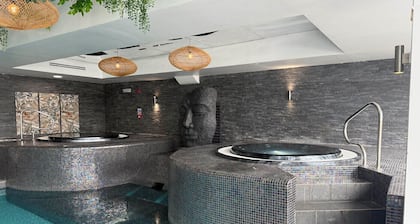
Beech Hill Hotel & Spa
Newby Bridge Road Windermere England
Free cancellation
Reserve now, pay when you stay
The price is CA $175 per night
CA $175
CA $210 total
Oct 1 - Oct 2
includes taxes & fees
Stay at this hotel in Windermere. Enjoy free parking, 2 hot tubs, and breakfast (surcharge). Our guests praise the helpful staff and the comfy rooms in our reviews. Popular attractions Lake Windermere and Blackwell, The Arts & Crafts House are located nearby.
Pool
Hot tub
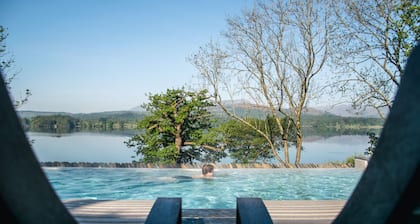
Low Wood Bay Resort & Spa
Low Wood Bay, Ambleside Road Windermere England
Free cancellation
Reserve now, pay when you stay
The price is CA $224 per night
CA $224
CA $269 total
Sep 24 - Sep 25
includes taxes & fees
Book a stay at this spa hotel in Windermere. Enjoy free WiFi, a full-service spa, and 2 restaurants. Our guests praise the helpful staff in our reviews. Popular attractions Lake Windermere and Treetop Trek are located nearby.
Pool
Hot tub

1 Bed Flat - Sleeps 4 - Garden - Parking - Wifi
Lower House Fairfield Ambleside England
Stay at this cottage in Ambleside. Enjoy free WiFi, free parking, and a garden. Popular attractions Lake Windermere and Grizedale Forest are located nearby.
Kitchen
Washer

The Belsfield Hotel
Kendal Road Windermere England
Free cancellation
Reserve now, pay when you stay
The price is CA $246 per night
CA $246
CA $296 total
Sep 8 - Sep 9
includes taxes & fees
Book a stay at this business-friendly hotel in Windermere. Enjoy free WiFi, 2 restaurants, and breakfast (surcharge). Our guests praise the breakfast and the helpful staff in our reviews. Popular attractions Lake Windermere and Old Laundry Theatre are located nearby.
Free WiFi
Restaurant
Don't see what you're looking for?
See all available properties in Broughton in Furness
View all propertiesLowest nightly price found within the past 24 hours based on a 1 night stay for 2 adults. Prices and availability subject to change. Additional terms may apply.
Stay near popular Broughton in Furness attractions
Broughton in Furness Vacations
A pleasant, worry-free trip starts with getting to know a little information about your chosen destination. It's time to acquaint yourself with a few basic facts about Broughton in Furness!
If you journey 8 miles (13 kilometers) northeast of Millom, or 12 miles (19 kilometers) west of Windermere, you'll end up in Broughton in Furness.